loading
reading
writing
saving
searching






QR Code Link to This Post
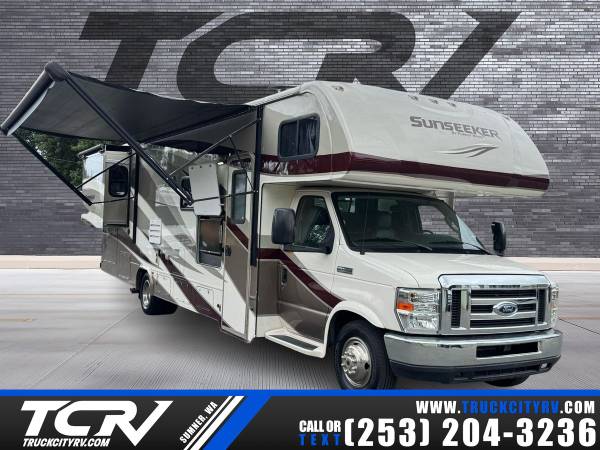
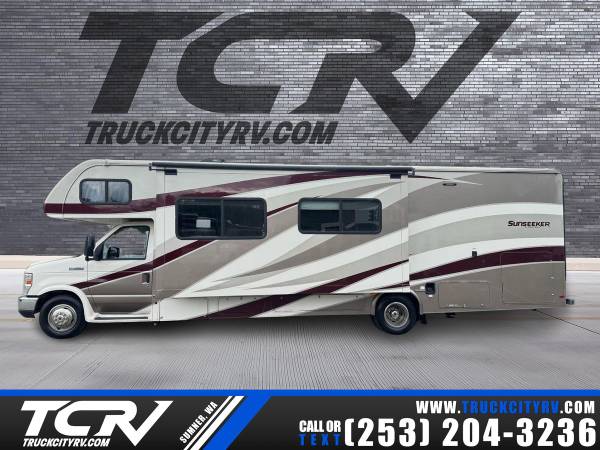
This 2018 Forest River Sunseeker is a Class C motorhome built on Ford chassis hardware and presented with the kind of equipment typically expected in a practical traveling coach. The body uses the familiar cab-over profile associated with this type of RV, and the coach structure carries the molded exterior surfaces and access points that support routine camping use. The 2018 model year places it in a period when Sunseeker units were commonly finished with straightforward interior materials and functional appointments rather than elaborate ornamentation. Visible storage openings, entry steps, and service doors are part of the package, along with the standard components needed to keep a self-contained motorhome ready for use. The exterior treatment is simple and direct, with graphics and trim that match the era without leaning on decorative excess.
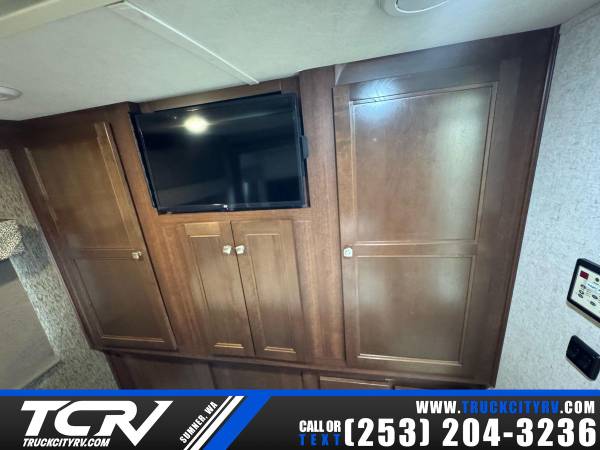
Inside, this Sunseeker is arranged with the fixtures and fittings expected in a mid-sized coach. Cabinetry lines the living space, and the surfaces are selected for regular travel rather than showroom presentation. Seating is integrated into the cabin area, and the aisle remains open enough for basic movement through the coach. The driver's compartment uses the familiar Ford-style control environment, with a steering wheel, instrument cluster, and dash controls placed for direct access. Windows bring light into the interior, and the shades and coverings associated with this class of vehicle are part of the room treatment. The sleeping and lounge furnishings are built into the coach rather than added later, and the materials, cushions, and trim are consistent with factory RV construction. The overall impression is one of a used motorhome that has been equipped to function as a compact living space on the road.
Cooking and daily-use equipment are handled with the standard amenities found in a self-contained unit. This includes the built-in kitchen components, countertop work area, and storage meant for food, utensils, and supplies. Plumbing fixtures are present for routine sink and wash use, and the water system connections support the onboard facilities. Climate control equipment is also part of the coach, with heating and cooling hardware installed to manage interior conditions during travel and while parked. Electrical service provisions, interior lighting, and battery-related systems are part of the normal equipment list for a Sunseeker of this era, along with the controls used to operate them. The fittings are arranged in a practical manner, and each item is placed to serve the daily functions expected from an RV without relying on decorative claims or special presentation.
This motorhome also carries the travel hardware that defines its road-going capability. The chassis is paired with the standard Ford drivetrain components used under many Class C coaches from this period, and the front cab provides the control and visibility expected from that platform. Exterior mirrors, running gear, and the support structures beneath the body are all part of the package that keeps the coach moving and supported. Access points for maintenance and loading are integrated into the exterior, and the storage areas available on the body add to its utility without requiring embellishment. This 2018 Forest River Sunseeker presents the equipment, materials, and mechanical basis of a conventional motorhome in a clear and straightforward way, and its value is carried by the items installed on it rather than by added claims.