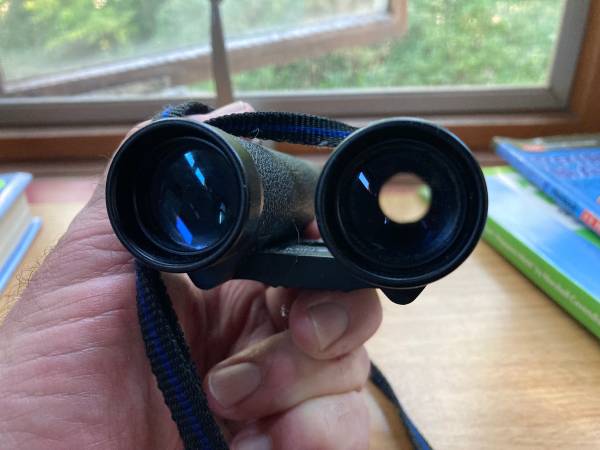
I call these loophole binoculars because the quality (both design and manufacture) is so high and the price is so low. Clearly inspired by the lovely small Leica Trinovid glasses (I did have a pair) made in Portugal back in the day. In some ways my Minolta CLE Leica M mount camera was my favorite of the many Leica M cameras that were my weapon of choice and these glasses are of likewise superior quality.
These are in perfect shape and are a joy to carry and use; glass is perfect, mechanics are perfect, cosmetics are perfect....check the photos. Of the several generations of small minolta binoculars, these are the best and so like the Trinovids. Check em out and you will see what I mean.
Here is some internet search info; the Minolta 7x22 pocket binoculars from the late 20th century were heavily influenced by the groundbreaking, ultra-sleek structural aesthetics popularized by vintage Leitz/Leica Trinovid compact models.
🔍 The Design Connection
When Leitz (Leica) introduced the original Trinovid series, they revolutionized the optics market with an incredibly slim, straight-barrel roof-prism layout that allowed binoculars to fold down and slide easily into a coat pocket.
Minolta—taking inspiration from this premium German form factor—engineered several lines of ultra-compact "pocket" binoculars (spanning configurations like 7x21, 7x22, and 8x22). These vintage Japanese optics featured:
• Dual-Hinge Folding Architecture: Matching the classic fold-flat style of European premium compacts.
• Textured Grip Finishes: Emulating the classic leatherette trim seen on early Leica Trinovid models.
• High-Quality Portability: Delivering sharp center focus in a lightweight footprint tailored for casual outdoor use, theater, or light hunting.