Bone graft in La Quinta: Learn when it is needed (and when it is not) for implants, plus options and planning. Call now show contact info
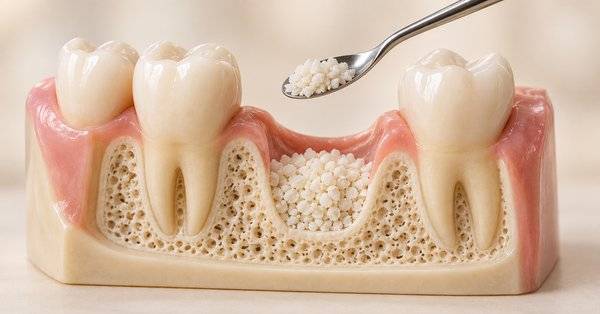
A bone graft before dental implants is sometimes recommended when the jawbone does not have enough width or height to support an implant in a stable, ideal position. It’s not always about “no bone left.” Even smaller deficiencies can affect where an implant can safely go, how the final crown fits your bite, and how easy the area is to keep clean over time.
Common reasons a provider may discuss a bone graft include a ridge that is too thin, bone changes after a tooth has been missing for a long time, or bone loss related to prior infection or gum disease. In these situations, grafting can help rebuild or preserve the foundation so the implant can be placed where it should be—not simply where remaining bone happens to allow it.
On the other hand, some patients may not need grafting. If an extraction was recent and the ridge stayed intact, or if you naturally have adequate bone volume and healthy gum support, an implant may be planned without additional augmentation.
Because traditional 2D X-rays can miss important details, cone beam CT implant planning is often used to evaluate bone height, width, and anatomy in 3D. This reduces guesswork and helps clarify whether grafting is necessary, avoidable, or beneficial for long-term function.
If you’re looking for a bone graft in La Quinta or bone graft in Cathedral City, an implant consultation (including options for patients willing to visit Rancho Mirage) can explain the “why” behind the recommendation and outline next steps toward a predictable, maintainable implant result.
bone graft in La Quinta, bone graft in Cathedral City, dental implants in La Quinta, bone graft before dental implant, implant bone loss, ridge augmentation, socket preservation, jawbone resorption, implant consultation Rancho Mirage, cone beam CT implant planning, dental implant specialist Coachella Valley, sinus graft vs bone graft, implant consultation, jawbone thickness, bone volume for implants, periodontal disease bone loss, infection-related bone loss, implant planning, 3D imaging for dental implants